



HISTORY, ARTS & CULTURE —
WHEN SCENT BECAME LITERATURE
Why do authors choose scent to speak of memory, emotion, longing, and desire, when it is perhaps the most invisible and intangible of all the senses?
From Shakespeare to Charles Baudelaire and Marcel Proust, literature has shown that scent is far more than a sensory detail. It is a powerful literary device capable of evoking love, memory, imagination, and longing in ways few other senses can.
For sometimes, authors do not use scent to describe the world before our eyes, but to reveal the world within us.
Parfum Exotique (1857)
Charles Baudelaire
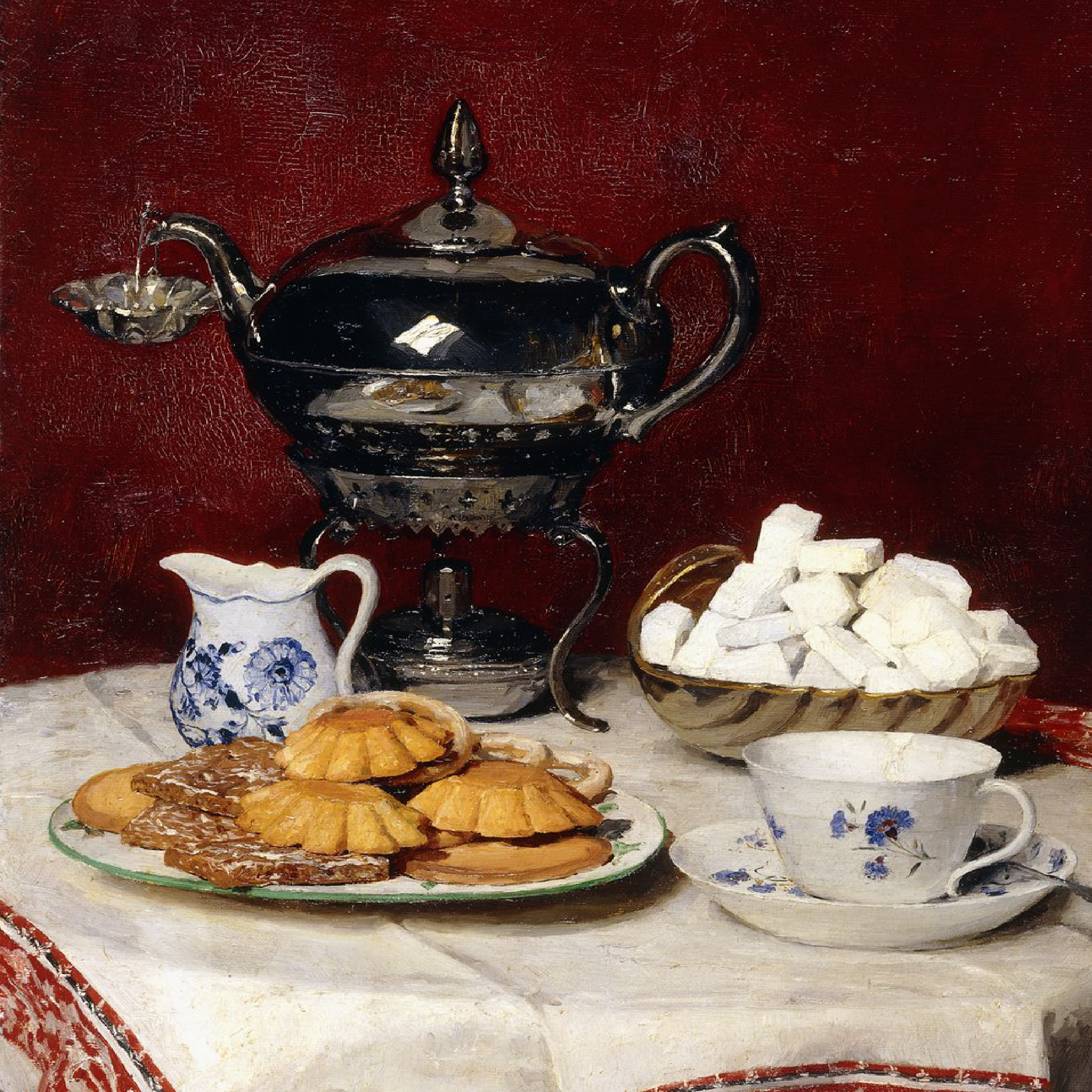
In Search of Lost Time (1913)
Marcel Proust
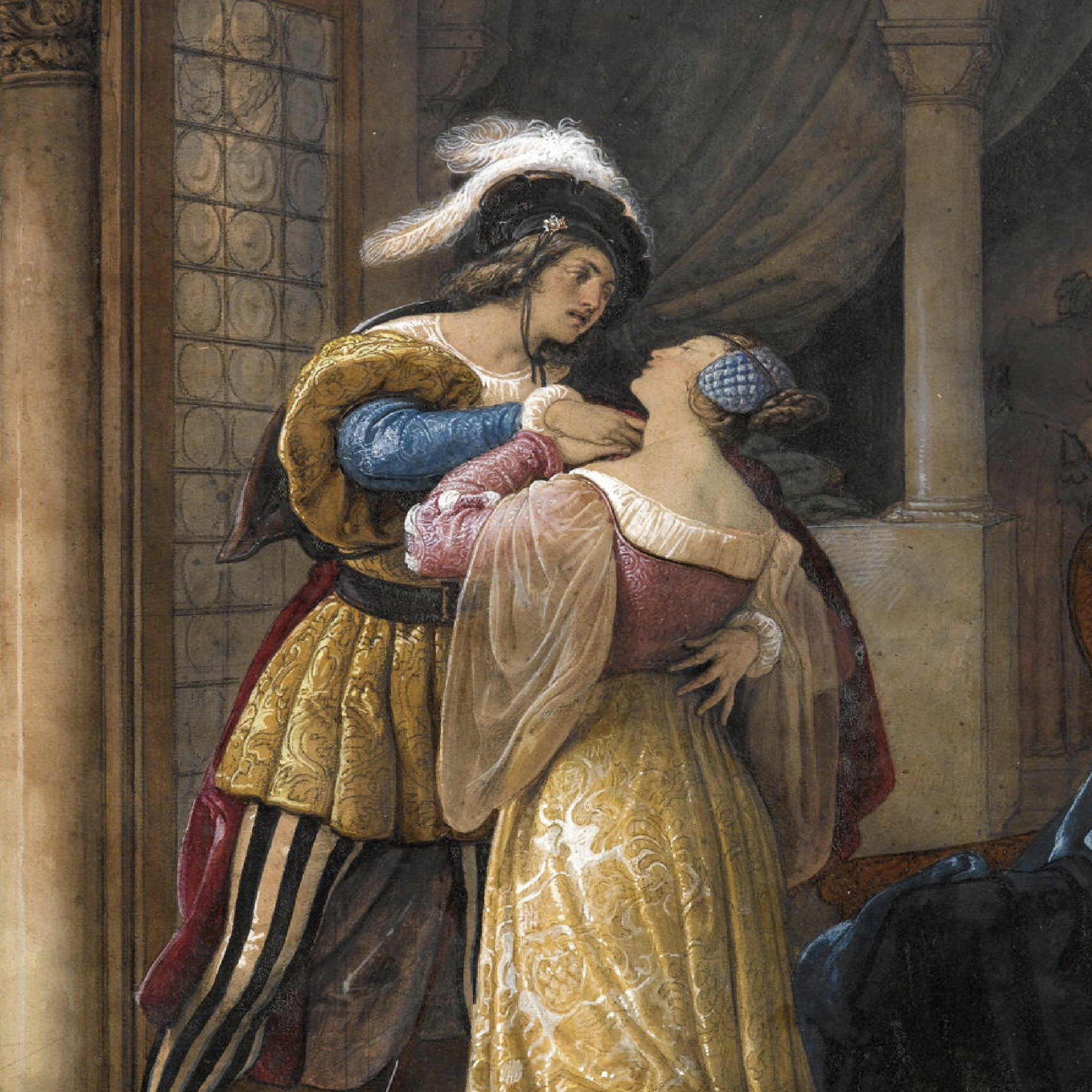
Romeo and Juliet (1597)
William Shakespeare
Shakespeare uses the scent of a rose as a metaphor to express the idea that the true essence of something remains unchanged, regardless of the name it is given. The scent of the rose thus becomes a symbol of intrinsic worth, beauty, and truth that exist beyond language, appearances, and prejudice.
More than four centuries later, the rose continues to stand as one of the world’s most enduring symbols of love, devotion, and beauty, its meaning resonating across literature, art, and contemporary culture.