


THE LANGUAGE OF SCENT

HISTORY, ARTS & CULTURE —
THE LANGUAGE OF SCENT

Scent is not merely a physical perception, but one of the oldest symbolic systems in the history of civilization.
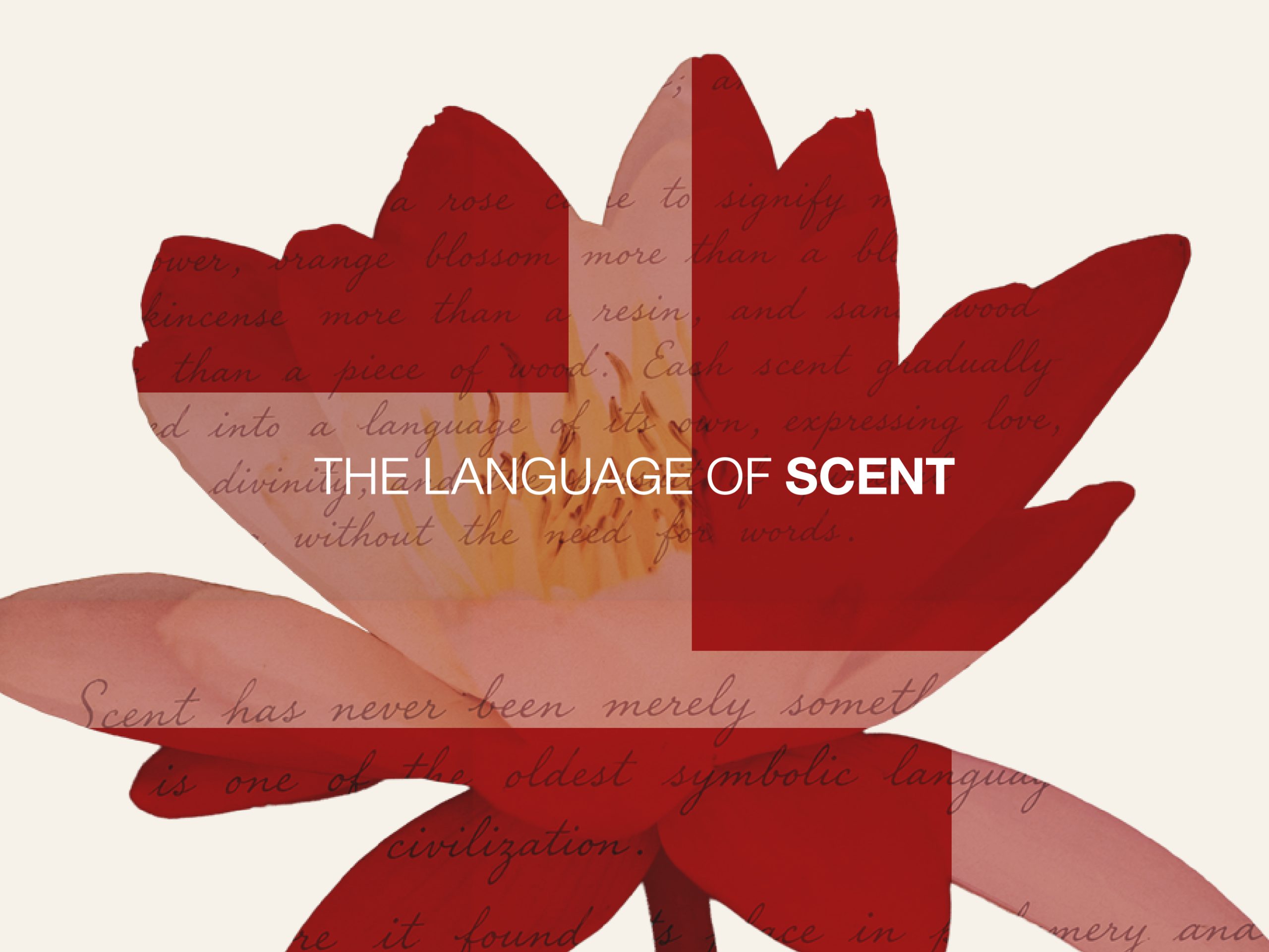
Long before scent was valued as perfume or a commodity of contemporary fashion, it stood at the heart of sacred rituals, embodied faith, and shaped the arts and cultures of people across the world in countless contexts.
As these meanings crystallized over time, scent became a symbolic language carrying the beliefs, values, identities, and emotions of people across generations, forming an emotional heritage quietly passed down from one generation to the next to this day.
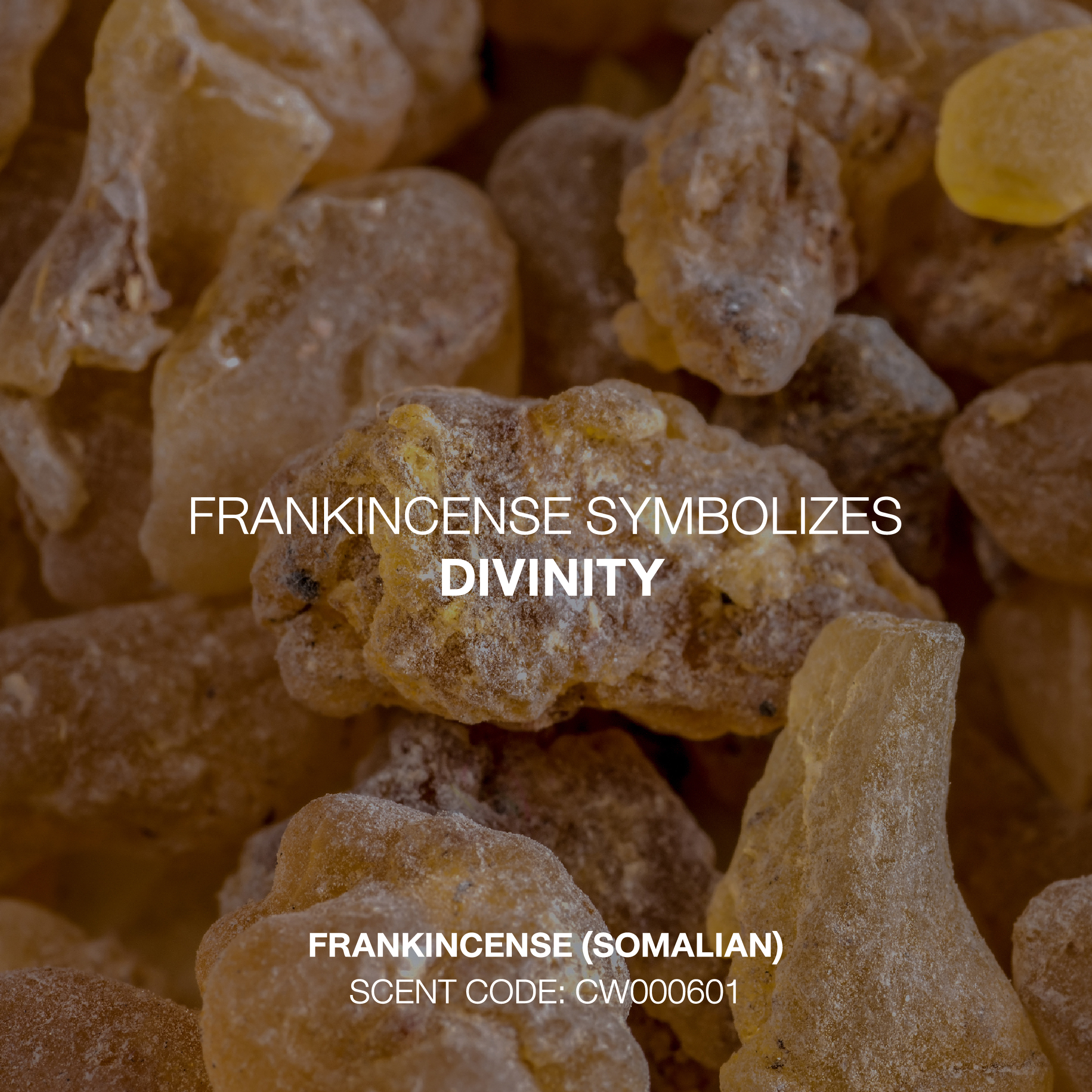
FRANKINCENSE SYMBOLIZES DIVINITY
Frankincense has been used in religious rituals for thousands of years. Its deep, calming scent and sense of reverence, together with the smoke rising upward, have long associated frankincense with the sacred and with communication with what lies beyond the human realm, making it an enduring symbol of divinity across civilizations.
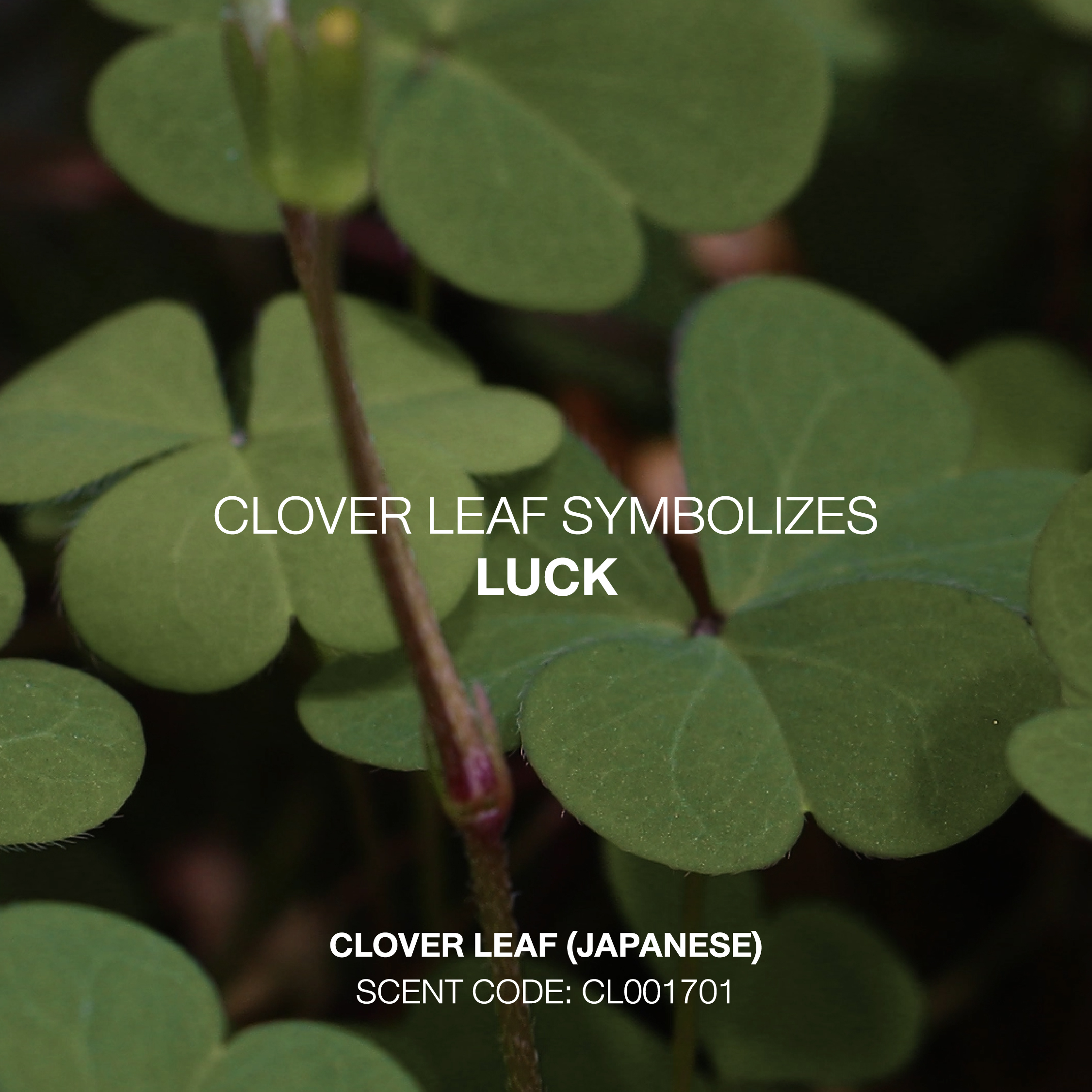
CLOVER SYMBOLIZES LUCK
The fresh green scent of clover evokes spring meadows, landscapes rich with abundance and the beginnings of new life. These associations with nature have kept clover close to human life for centuries, before the rare four-leaf clover came to be cherished as a symbol of good luck across many cultures.

By nature, most clover leaves have only three leaflets, while four-leaf clovers occur rarely due to genetic variation. This rarity has made finding a four-leaf clover a sign of good fortune and unexpected opportunity. Over time, this belief gradually shaped the clover into one of the world’s most widely recognized symbols of good luck.
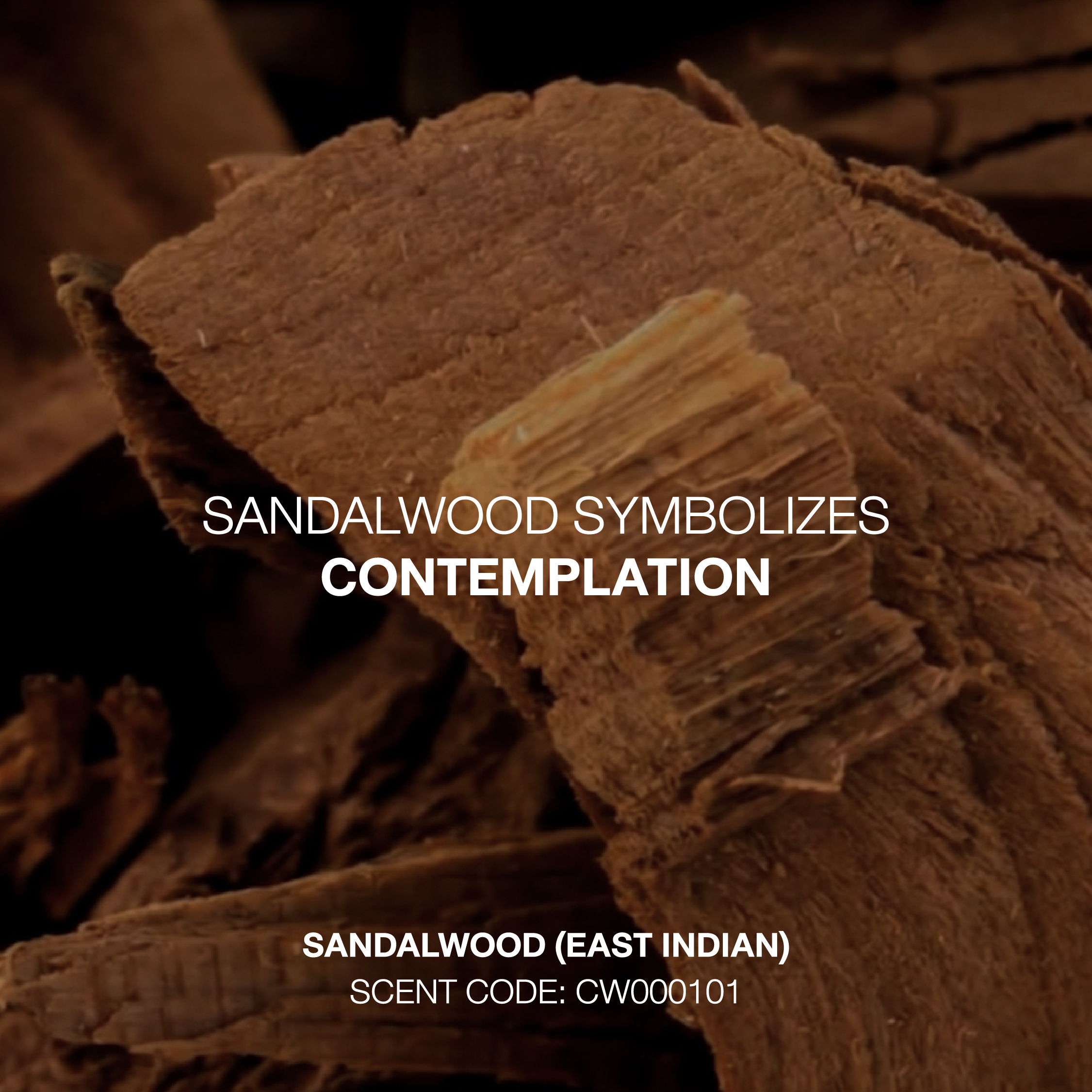
SANDALWOOD SYMBOLIZES CONTEMPLATION

The deep, warm, and tranquil scent of sandalwood has long been used to create an atmosphere conducive to prayer, meditation, and contemplation in Hinduism, Buddhism, and Jainism. For thousands of years, sandalwood has therefore held a lasting presence in temples, shrines, and sacred rituals across Asia.
As the scent of sandalwood has accompanied moments of stillness and inner exploration through the ages, it has gradually become a symbol of contemplation and one of the most influential scents in the history of perfumery.
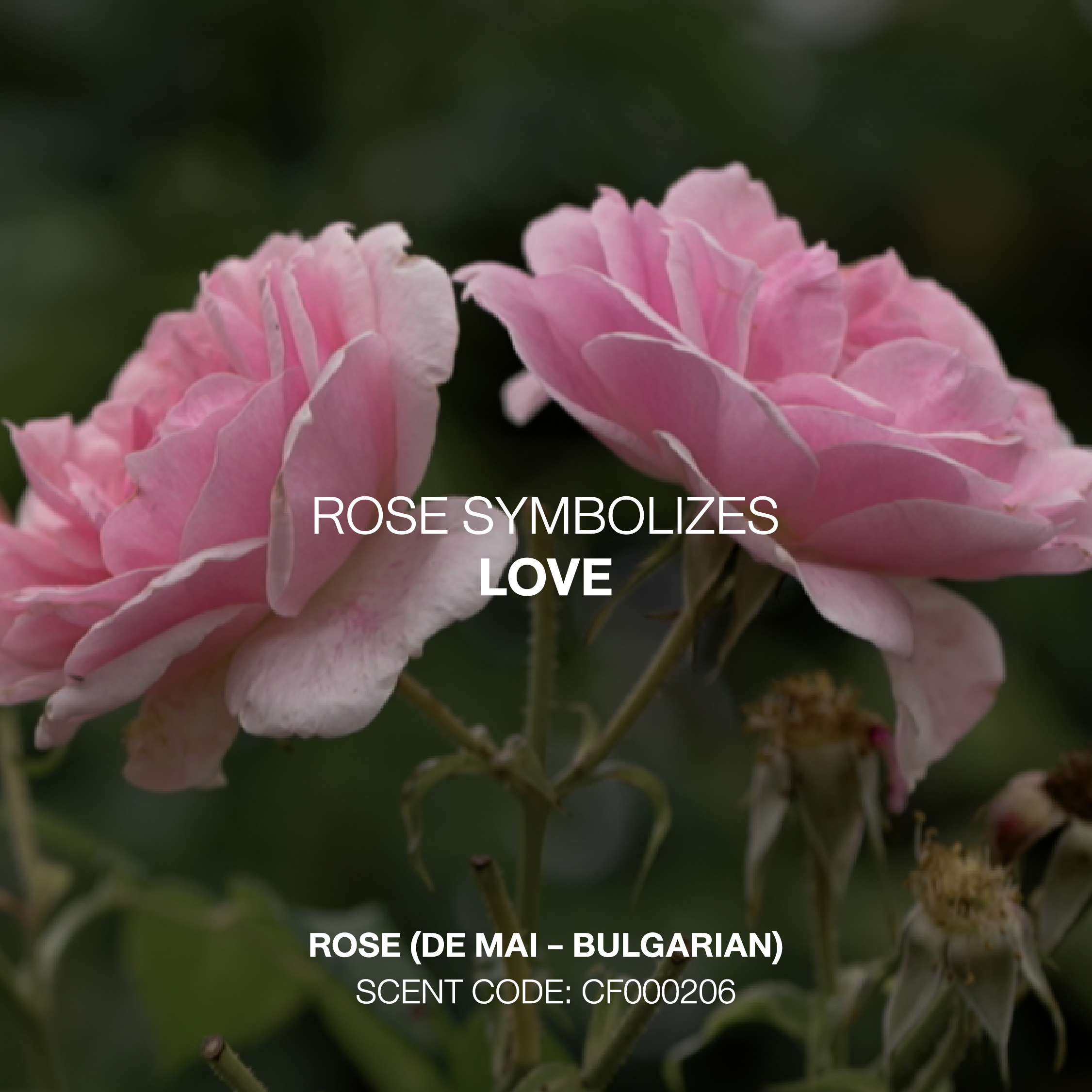
ROSE SYMBOLIZES LOVE
The rose has long been a symbol of love, appearing throughout Greek and Roman mythology, poetry, art, and cultures across the world.
With its gentle, soft, and naturally alluring scent, the rose has long been used to express feelings of love, intimacy, and romance. Over time, these associations have shaped the scent of rose into one of the most influential symbols of love in human cultural history.

Sense, explore, and discover over 540 rotating scents at Scentorium, Karmakamet Erawan Bangkok.


Scentorium Opening Hours
Tue – Sun | 10:30 – 18:00 Closed on Mondays
Book Your Visit on the Karmakamet Website.

We use cookies to give you the best experience.